Craniosacral therapy is a gentle therapeutic approach that originated in osteopathy and was developed in the 20th century based on the work of American physician William Garner Sutherland, and later refined by John Upledger.
This method is based on attuning to the subtle "craniosacral rhythm," an internal movement linked to the circulation of cerebrospinal fluid, which surrounds and protects the brain and spinal cord. Through light, precise touch, the practitioner supports the body’s natural capacity for self-regulation and healing.
What are the benefits of craniosacral therapy?
Craniosacral therapy works on the physical, emotional, and energetic levels. It promotes deep relaxation and helps release accumulated tension.
Among its most common benefits:
- Reduction of stress and anxiety
- Improved sleep
- Relief from chronic pain (back, neck, migraines)
- Release of physical and emotional tension
- Support for the nervous system
- Improved concentration and mental clarity
- Support during times of transition or fatigue
This approach helps the body gently regain its natural balance, without any forced manipulation.
For whom?
Craniosacral therapy is suitable for everyone, regardless of age or physical condition.
It is particularly recommended for:
- Adults experiencing stress or mental overload
- People suffering from chronic pain or physical tension
- Pregnant women from the 2ndth during the third trimester or postpartum
- Infants and children (sleep disorders, restlessness, adjustment difficulties)
- People seeking overall well-being or personal growth
Thanks to its gentle nature, this method is also suitable for people with sensitive skin or those who are physically vulnerable.
How a session at Terre des Sens unfolds
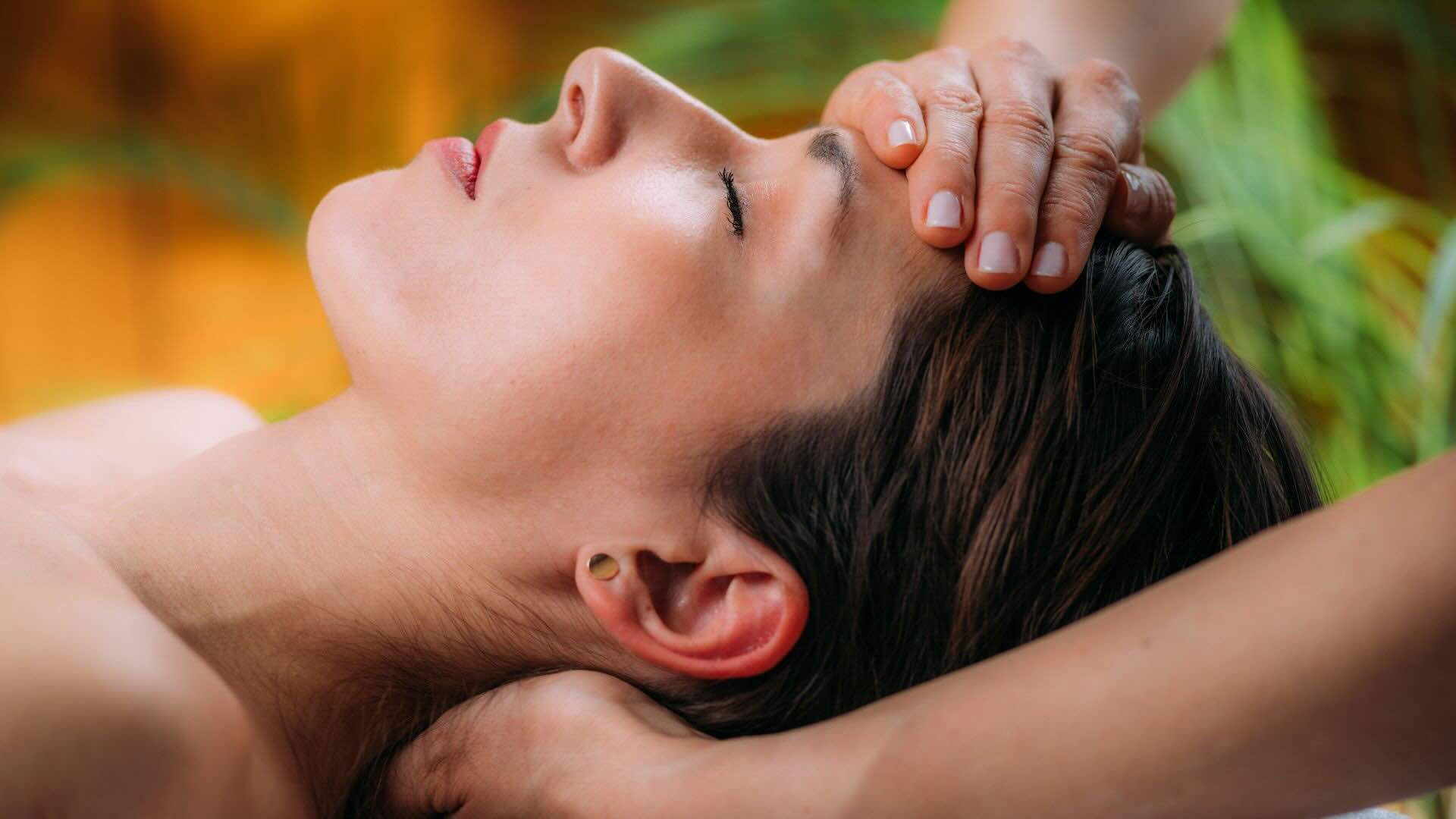
A session takes place while fully clothed, lying comfortably on a treatment table. The practitioner applies light touch to various parts of the body (skull, sacrum, spine, feet, etc.), while attuned to internal movements.
Each session is unique and tailored to your current needs. It generally provides a deep sense of relaxation, sometimes accompanied by emotional release.
Craniosacral therapy takes a holistic approach to the individual. It does not merely treat symptoms, but seeks to restore harmony between the body and the mind.
It’s an invitation to slow down, reconnect with yourself, and support the body’s natural healing processes.